
News items are selected to provide articles and ideas of varying points of view, and are intended to inform and stimulate discussion. Content does not necessarily reflect the views of Transform International, its Board, staff, or member centres.
Solar water set-ups – a better way?
Solar pay-as-you go water systems a better way?
Swords to Ploughshares, Guns to Rope pumps
Imagine turning guns into rope pumps? No matter your thoughts on the value of guns, it’s an interesting technical challenge!
E4C reports Charitable Foundations have a Unique Role to Play in WASH
What should foundations focus on if they want to see real change in access to water?
Pits in India
Blog post by Robert Chambers on the Community Led Total Sanitation site describes the challenge of getting good information through to users and helping them understand what could really benefit them as opposed to normal practice (which does not). Read More... ...

RISE – Regulatory Indicators for Sustainable Energy
“Very simply, access to energy can help end extreme poverty and boost shared prosperity. That’s why the world committed to Sustainable Development Goal 7 (SDG7) to ensure access to affordable, reliable, sustainable and modern energy for all as one of 17 goals for 2030, and to dramatically increase energy efficiency and the use of renewable energy sources.”
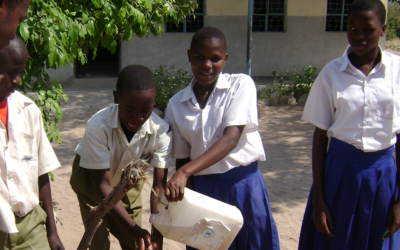
Rushing into Solutions without Fully Grasping the Problem
“According to Huston and Gabrielsson the real problem lies within the way the failures are addressed. Actors in the sanitation sector often rush to solutions without fully grasping the problem. Without complete understanding of the problem it is not possible to learn from previous mistakes. And it is exactly this learning process that is essential to improving WASH services.”
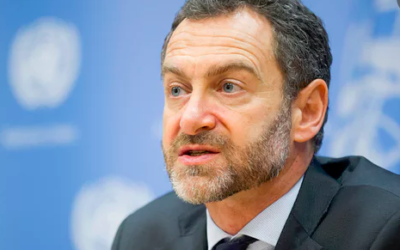
“Aid is the smart thing to do”
“The UK learned about two decades ago that you cannot eliminate the IRA. You have to work with people in that movement. So, decapitating Boko Haram used to be the stated policy of [Nigeria] but there is a much more nuanced approach today, which is that we need a social contract with the population. We need to invest.”
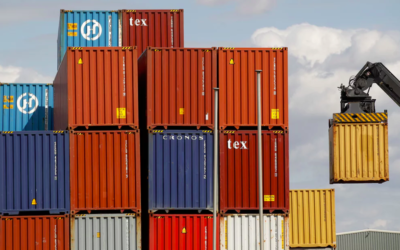
Aid in reverse?
The Guardian recently stated that aid is flowing in reverse – more leaves poor countries for rich ones than the other way around. “What they discovered is that the flow of money from rich countries to poor countries pales in comparison to the flow that runs in the...
Aid workers talk endlessly about capacity building – but what does it really mean?
Isn’t capacity building a potentially never-ending bureaucrat’s fantasy? Isn’t it time for a serious rethink?